
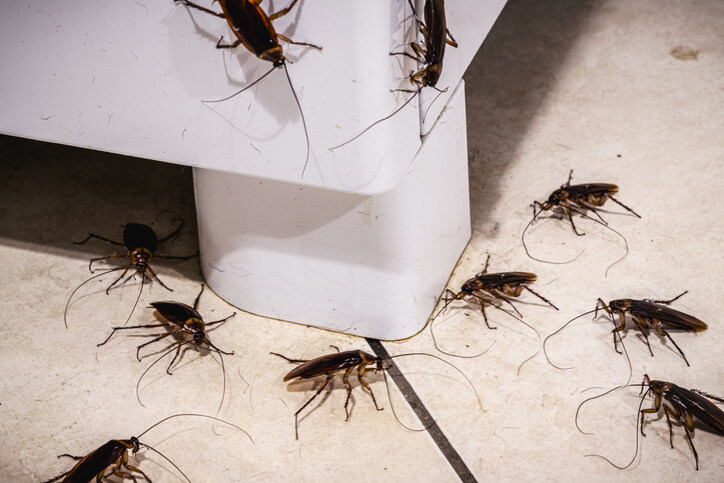
Many homeowners assume pest problems disappear once temperatures drop. In reality, winter is one of the most important times to take pest prevention seriously. As outdoor conditions become harsh, rodents and insects look for warmth, food, and shelter inside homes. Understanding the best approach to pest control in the winter can prevent hidden infestations that often surface in spring.
Why Pests Become a Problem During Winter
Cold weather forces many pests to change their behaviour. Rodents such as mice and rats actively seek indoor shelter to survive winter conditions. Once inside, they nest in wall voids, basements, and attics where they can reproduce undisturbed. Insects like spiders, cluster flies, and cockroaches may not be visible, but they often remain active or dormant inside walls and insulation.
Because pest activity is less noticeable in winter, infestations can grow quietly. Homeowners may not realize there is a problem until warmer weather arrives and pests become more active. This makes winter a critical time to address issues before they escalate.
Common Winter Entry Points Pests Use
Pests take advantage of small vulnerabilities in a home’s exterior when seeking shelter. Winter conditions can even worsen these weaknesses as materials contract and shift. Some of the most common entry points include:
- Cracks in foundations and gaps around siding
- Openings around plumbing, wiring, and utility lines
- Poorly sealed doors, windows, and garage doors
- Roofline gaps, attic vents, and damaged soffits
Identifying and sealing these areas during winter reduces the chances of pests settling in for the season.
The Best Winter Pest Control Strategy
Effective pest control in the winter focuses on prevention, inspection, and targeted treatment. Professional inspections during colder months allow technicians to identify early signs of rodent or insect activity while populations are still manageable. Sealing entry points, addressing insulation gaps, and applying treatments in high-risk areas stop pests before they establish nests.
Winter is also an ideal time to focus on long-term prevention. With less outdoor activity, pest control professionals can spend more time assessing structural vulnerabilities and recommending improvements that strengthen your home’s defenses year-round.
Why Winter Pest Control Prevents Spring Infestations
Many spring infestations begin during winter. Pests that overwinter inside your home emerge and multiply once temperatures rise. By investing in pest control in the winter, you eliminate these hidden populations before they have a chance to spread.
Winter treatments often reduce the need for aggressive chemical applications later in the year. Addressing issues early results in fewer pests, less damage, and lower long-term costs. If you want to extend this protection year-round, ongoing maintenance programs offer consistent monitoring and prevention.
To learn more about how pests affect your household beyond property damage, read our next article Understanding the Health Risks Associated With Common Pests.
Protect Your Home Before Pests Settle In
The best way to handle pest control in the winter is to act before pests become comfortable inside your home. Proactive inspections, entry point sealing, and preventative treatments stop infestations at their source and set you up for a pest-free spring.
One Man & A Ladybug provides eco-friendly pest control in the winter tailored to Calgary’s climate and seasonal pest behaviour. Contact us today to schedule an inspection and protect your home before pests move in for good.