
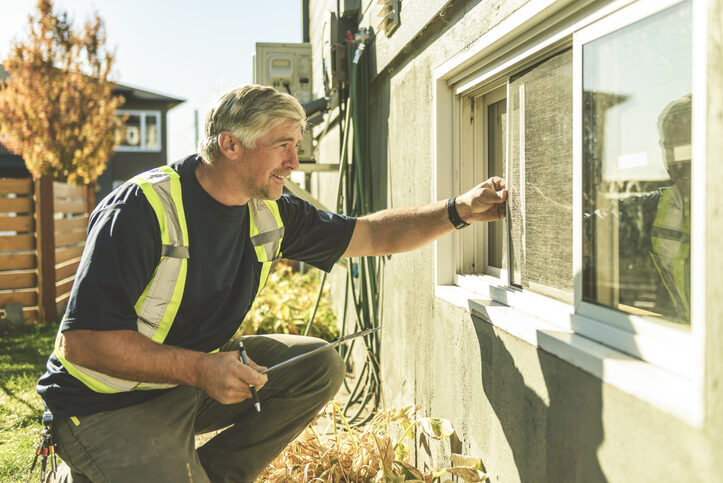
If you have never scheduled a pest inspection before, it is normal to wonder what will happen once a technician arrives. Understanding a pest control inspection and what to expect helps homeowners feel prepared and confident before the visit. Inspections are a critical first step in identifying current issues, uncovering hidden risks, and preventing future infestations before they become costly problems.
Why Pest Control Inspections Matter
A pest control inspection is not just about spotting visible insects or rodents. Many pest problems develop quietly in walls, attics, basements, and crawl spaces long before activity becomes obvious. An inspection allows professionals to identify early warning signs, entry points, nesting areas, and conditions that attract pests.
For homeowners, inspections provide clarity. Instead of guessing what is causing the problem or relying on temporary fixes, you get a clear understanding of what pests are present, how they are getting in, and what steps are needed to fix the issue properly. This is especially important in Calgary, where seasonal pest activity changes throughout the year.
To better understand why early detection matters, read our article Understanding the Health Risks Associated with Common Pests.
What Technicians Check During an Inspection
During a pest control inspection, technicians examine both the interior and exterior of your home. The goal is to identify active infestations, signs of past activity, and vulnerabilities that could lead to future problems. Common inspection areas include:
● Foundation cracks, siding gaps, and exterior entry points
● Doors, windows, and garage seals
● Basements, crawl spaces, and attics
● Kitchens, pantries, and food storage areas
● Plumbing lines, vents, and utility openings
Technicians may also look for droppings, gnaw marks, nesting materials, moisture issues, and signs of insect activity that homeowners often overlook.
How Long a Pest Control Inspection Takes
Most residential pest control inspections take between 30 and 60 minutes, depending on the size of the home and the complexity of the issue. Larger homes or properties with suspected infestations may take longer.
During this time, technicians may ask questions about recent pest sightings, noises, or damage. This information helps them narrow down problem areas and determine whether pests are active, dormant, or just beginning to move in.
How to Prepare for a Pest Control Inspection
Preparing for an inspection is simple and does not require major effort. Clearing access to key areas such as basements, utility rooms, and under sinks allows technicians to work efficiently. If possible, make note of where you have seen pests or signs of activity, as this helps guide the inspection.
There is no need to clean excessively or use sprays before the visit. In fact, using DIY treatments beforehand can make it harder to identify pest behaviour and nesting patterns accurately.
What Happens After the Inspection
Once the inspection is complete, the technician will explain their findings and recommend next steps. This may include treatment options, prevention strategies, or entry point sealing. In some cases, no immediate treatment is needed, but preventative measures are recommended to avoid future problems.
Understanding pest control inspection and what to expect gives homeowners peace of mind and a clear path forward. Inspections are about prevention, not pressure.
If you are looking for long-term protection beyond a one-time visit, read our article The Benefits of Preventative Pest Control Maintenance Programs.
One Man & A Ladybug offers thorough, eco-friendly pest control inspections designed for Calgary homes. Contact us today to schedule your inspection and take the first step toward a safer, pest-free home.