
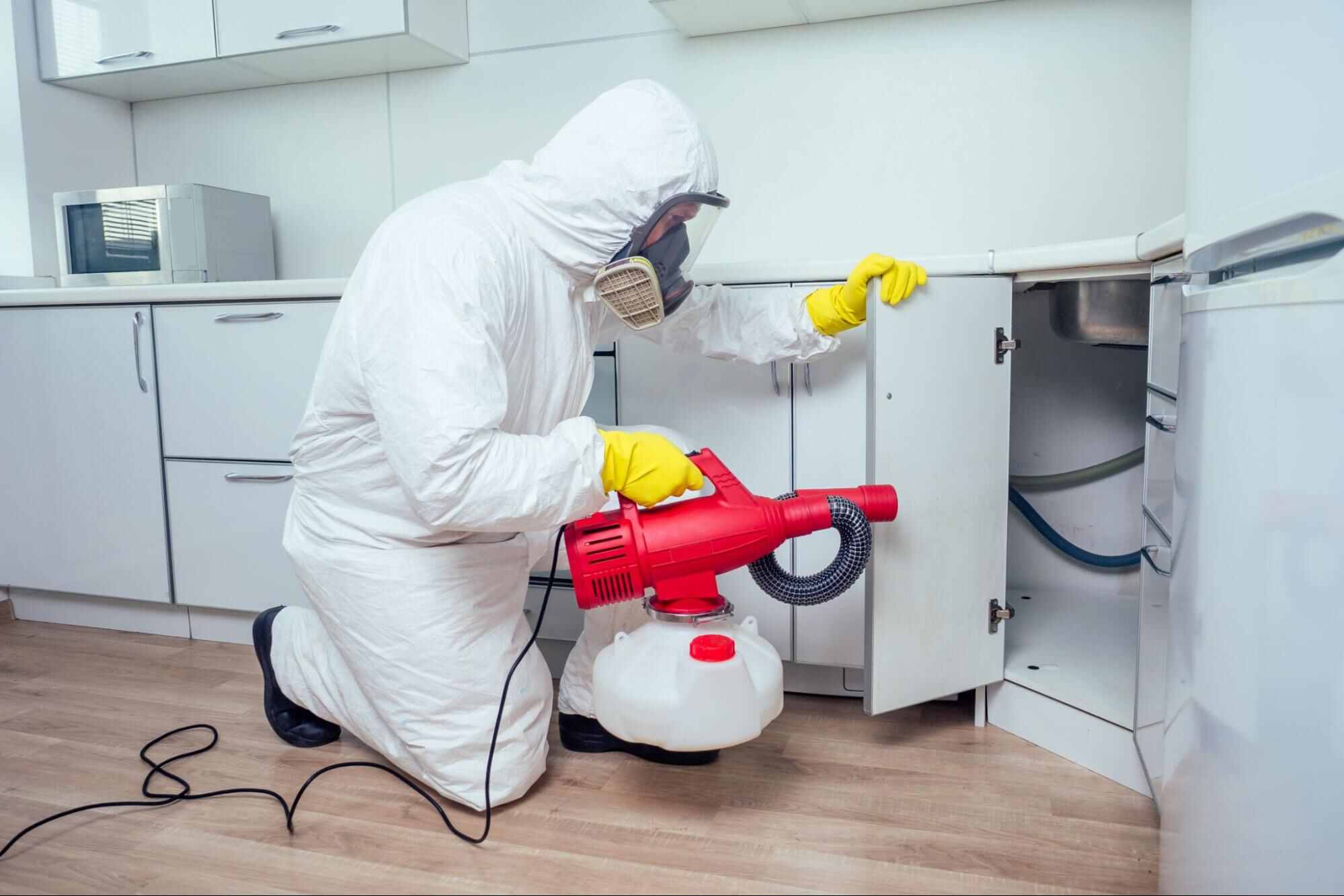
As temperatures drop in Calgary, rodents, spiders, and overwintering insects begin looking for protected places to shelter. Homeowners may notice increased activity around foundations, garages, basements, windows, and other potential entry points. When this happens, deciding between DIY vs professional pest control often depends on the type of pest and the extent of the problem.
Both approaches have advantages, but understanding their limitations can help homeowners choose an appropriate response before fall pest activity becomes harder to manage.
What Are the Benefits of DIY Fall Pest Control?
address conditions that make their property attractive to pests.
Common DIY steps include:
- Sealing small gaps around doors, windows, and foundations
- Reducing clutter in basements, garages, and storage areas
- Cleaning up food sources and securing garbage
- Repairing screens and addressing moisture problems
- Monitoring areas where pests have previously appeared
These measures can be especially useful for prevention. However, DIY products or traps may address visible activity without identifying nests, hidden entry points, or the full extent of an infestation.
Our guide to Do it Yourself Pest Control vs. Professional explains additional factors homeowners should consider when deciding whether to manage a problem themselves.
When Does Professional Pest Control Make More Sense?
Professional pest control becomes more valuable when pests are recurring, difficult to locate, or established inside the home. Technicians can inspect areas that homeowners may overlook and determine which conditions are contributing to the activity.
For rodents, this can mean identifying entry points and areas where mice or other rodents are travelling or nesting. Our Rodents Residential Pest Control services provide a targeted option when fall rodent activity requires professional attention.
Professional support may also be appropriate when spider activity is widespread or overwintering insects are entering through multiple locations. Pest Prevention services can help identify vulnerabilities around the property and reduce conditions that encourage recurring activity.
How Do DIY and Professional Methods Compare for Fall Pests?
DIY methods can offer convenience for minor prevention tasks, while professional pest control provides deeper inspection and targeted treatment when pest activity is recurring or difficult to locate.
The right approach also depends on the pest. A few spiders in a garage may be manageable through cleaning, reducing clutter, and sealing gaps. Repeated spider activity throughout the home may indicate that additional inspection is needed.
Overwintering insects can enter through small openings around siding, windows, vents, and doors. Preventative sealing can help, but once large numbers have moved into concealed areas, reaching the source can become more difficult.
Rodents deserve particular attention because controlling visible mice without addressing entry points can allow the problem to return. Comparing DIY vs professional pest control should therefore consider long-term prevention, not simply the immediate removal of visible pests.
For a broader comparison, read The Benefits of Professional vs. DIY Pest Control.
How Should Calgary Homeowners Choose?
DIY prevention can be a useful first step when fall pest activity is limited and manageable. Professional assistance becomes more appropriate when pests continue returning, activity spreads, or the source cannot be identified.
Choosing between DIY and professional pest control depends on the pest, the extent of the activity, and whether the source can be identified. One Man & A Ladybug helps Calgary homeowners assess fall pest concerns and determine the right approach. Contact our team to schedule a professional inspection and help protect your home as temperatures drop.